
Did you know that smart heating systems can cut your energy bills by up to 30%? As you explore the world of smart heating solutions, you’ll discover how these advanced systems use algorithms and IoT technology to guarantee your home is comfortable and energy-efficient. They offer features like remote control and real-time data analysis, making managing your home’s temperature easier than ever. But how do you choose the right system, and what should you consider during installation? Let’s navigate these questions and more, revealing the full potential of smart heating for your modern home.
Understanding Smart Thermostats
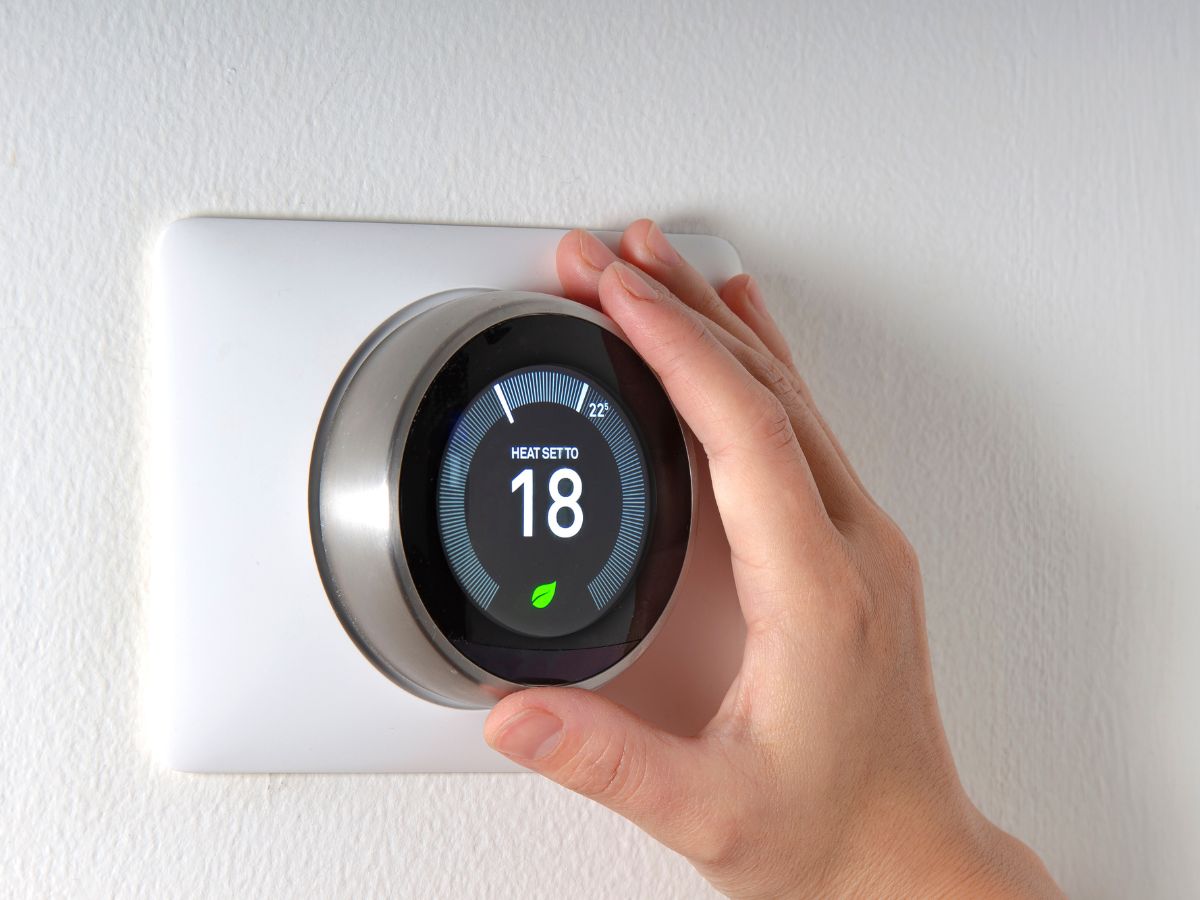
Smart thermostats, leveraging advanced algorithms and connectivity, allow you to enhance home heating by learning your schedule and preferences. These devices use machine learning to analyze your daily patterns, adjusting the temperature automatically to guarantee maximum efficiency. With sensors detecting occupancy, smart thermostats can reduce energy usage when you’re not home, recalibrating just before you return.
You connect these thermostats to Wi-Fi, allowing remote control through smartphone apps. This connectivity means you can adjust settings from anywhere, granting you flexibility and control over your home’s climate. Integrating virtual assistants like Amazon Alexa or Google Assistant further streamlines this process, enabling voice-controlled adjustments.
Smart thermostats also provide data analytics, offering insights into energy consumption patterns. By examining this data, you can identify inefficiencies and make informed decisions to improve your heating strategy. The interface typically includes historical data, real-time usage statistics, and predictive analytics, which help you understand the impact of various settings.
Additionally, many smart thermostats support geofencing. By tracking your phone’s location, they activate or deactivate heating systems based on your proximity to your home. This feature guarantees ideal comfort while minimizing unnecessary energy expenditure.
Benefits of Smart Heating
Harnessing the capabilities of smart thermostats, you can greatly enhance energy efficiency and user comfort while lowering utility costs through optimized heating strategies.
Smart heating systems use advanced algorithms to analyze patterns in your daily routines. These systems automatically adjust temperatures by learning when you’re home or away, ensuring energy isn’t wasted on heating empty spaces. This leads to more precise control over your home’s climate, enhancing comfort without manual intervention.
You’ll also benefit from remote accessibility. With integrated smartphone apps, you can adjust your home’s temperature from anywhere, allowing for increased flexibility and immediate response to unexpected changes. If you’re returning home earlier than planned, a simple swipe on your phone pre-warms your living space, making it more inviting upon arrival.
In addition, smart heating solutions frequently offer insightful analytics. Providing detailed reports on your energy usage enables you to identify inefficiencies and make informed decisions about your heating practices. Over time, this data-driven approach can contribute to significant savings and a reduced environmental footprint.
Moreover, many smart systems are compatible with other smart home technologies, allowing seamless integration into your existing smart ecosystem and further enhancing your home’s overall efficiency and convenience.
Energy Efficiency Insights
By leveraging real-time data collection and analysis, smart heating systems provide actionable insights into your energy consumption patterns, enabling more efficient resource use. These systems continuously monitor your usage and environmental conditions, creating profiles that help optimize heating schedules. By understanding peak usage times and detecting anomalies, you can adjust settings to minimize waste.
Smart sensors in these systems evaluate room occupancy and external weather conditions. This enables dynamic adjustments that align heating output with actual needs, reducing needless energy expenditure.
You’ll notice that these insights allow you to implement targeted strategies, such as zoning, where different areas of your home are heated according to specific requirements, further enhancing efficiency.
Moreover, predictive algorithms forecast future energy demands by analyzing historical data, allowing proactive adjustments. This means that instead of reacting to changes in temperature, your system anticipates them, maintaining comfort while conserving energy.
The insights from this data empower you to make informed decisions that align with sustainability goals. Ultimately, these insights transform how you interact with your heating system, ensuring that energy efficiency isn’t just a concept but an achievable reality in your home.
Remote Control Features
With remote control features, you can effortlessly manage your heating system from anywhere. This provides precise and immediate adjustments that enhance both convenience and energy efficiency.
Imagine adjusting your home’s temperature while you’re on your way back from work or guaranteeing your vacation home remains frost-free during winter months. These features leverage wireless connectivity, typically through Wi-Fi, allowing you to interact with your heating system via a smartphone app or web interface. This connectivity guarantees your system isn’t only responsive and customizable to suit your schedule and preferences.
Consider the following benefits of remote-controlled heating systems:
- Real-Time Monitoring: You can check the status of your heating system anytime, enabling you to make informed decisions based on current conditions.
- Scheduled Adjustments: Set specific temperature profiles that automatically change according to your daily routine, minimizing energy waste during unoccupied periods.
- Instant Notifications: Receive alerts about system malfunctions or maintenance needs, allowing for timely interventions that prevent costly repairs.
Integration With Smart Homes
Smart heating solutions seamlessly integrate with smart home ecosystems, allowing you to synchronize your heating system with other connected devices for ideal energy management and enhanced living comfort.
By leveraging protocols like Zigbee, Z-Wave, or Wi-Fi, you can guarantee communication between your heating system and various smart home components, such as thermostats, sensors, and voice assistants. This integration facilitates automated routines; for instance, your system can adjust the temperature based on occupancy data from motion sensors or time-of-day settings.
Consider the advantages of linking your heating system with a smart thermostat that learns your preferences over time. This connection optimizes energy consumption and enhances comfort by maintaining desired temperature levels without manual intervention.
Furthermore, integration with voice-controlled devices like Amazon Alexa or Google Assistant empowers you to manage your heating system using simple voice commands.
Smart home platforms like Apple HomeKit or Samsung SmartThings also provide centralized control, enabling you to create custom scenes that incorporate your heating system alongside lighting and security settings. This synergy results in a cohesive environment where energy efficiency and comfort coexist, reducing energy bills while maintaining a tailored and responsive home climate.
Key Technologies Explained
Delving into the key technologies behind smart heating solutions, you’ll encounter advanced components like learning algorithms, wireless communication protocols, and IoT-enabled sensors that collectively guarantee efficient operation and user-friendly control.
Learning algorithms analyze your daily routines, adjusting heating schedules to optimize comfort and energy savings without requiring constant manual input. These algorithms predict your needs, providing a seamless experience that adapts over time.
Wireless communication protocols like Zigbee, Z-Wave, or Wi-Fi enable seamless interoperability between smart devices. This connectivity lets you control your heating system remotely via smartphones or voice-activated assistants. Each protocol offers unique advantages: Zigbee and Z-Wave are known for low power consumption, while Wi-Fi provides a broader range and higher data rates.
IoT-enabled sensors play an essential role in monitoring environmental conditions. They detect temperature fluctuations and occupancy, allowing systems to respond dynamically. For instance, they can reduce heating in unoccupied rooms, conserving energy.
- Learning Algorithms: Automate and optimize heating based on user behavior.
- Wireless Protocols: Facilitate remote control and device communication.
- IoT Sensors: Enable real-time environmental monitoring and adaptive responses.
These technologies create a cohesive system, providing intelligent, responsive heating tailored to your needs.
Popular Smart Heating Brands
Several leading brands dominate the smart heating market, offering innovative solutions that integrate seamlessly with your existing home automation systems.
Nest, a subsidiary of Google, provides thermostats that utilize machine learning to adapt to your schedule, optimizing energy consumption. Its integration with Google Assistant allows for voice control, enhancing user experience.
Ecobee stands out with its room sensors that guarantee even heating throughout your home. The Ecobee smart thermostat, with Alexa built-in, offers temperature control and voice-activated home management. Its compatibility extends to Apple HomeKit, Samsung SmartThings, and IFTTT, providing thorough connectivity.
Honeywell Home’s T-Series thermostats are renowned for their robust compatibility with various HVAC systems. The T9 model, for instance, uses geofencing technology to adjust settings based on your location, maximizing energy efficiency and comfort.
Tado, a European leader, brings a unique feature with open window detection, which prevents energy wastage. Its geofencing and weather adaptation functions offer superior climate control. Tado’s app provides detailed energy reports, giving insights into your heating patterns.
These brands combine advanced technology with user-friendly interfaces, guaranteeing effortless maintenance of an ideal indoor climate. Each offers distinct features tailored to different preferences and needs.
Installation Tips and Advice
When installing your smart heating system, confirm you carefully assess your home’s existing HVAC compatibility and electrical setup to avoid any integration issues.
Begin by determining if your current HVAC system supports smart thermostat integration. Most modern systems are compatible, but older models might require additional adapters or bypass kits. Examine your wiring and confirm it can accommodate the new system’s requirements. A C-wire, or common wire, is often necessary for continuous power supply.
Consider the following:
- Connectivity: Verify your Wi-Fi network is robust and reliable, as smart heating systems rely on internet connectivity for remote access and updates. Check for potential signal interference caused by physical barriers like walls or electronic devices.
- Positioning: Install your smart thermostat in a central location away from direct sunlight, drafts, or heating sources. This will prevent inaccurate temperature readings and guarantee efficient performance.
- System Calibration: After installation, calibrate your system according to your home’s specific layout and insulation properties. This involves setting accurate temperature zones and schedules for maximum energy savings and comfort.
Troubleshooting Common Issues
Encountering connectivity issues with your smart heating system often stems from Wi-Fi signal disruptions or incorrect network configurations.
Begin by evaluating your router’s signal strength. Position your router centrally to minimize dead zones. If your signal is weak, consider a Wi-Fi extender. Verify that your smart heating device is connected to the correct network. Many devices require a 2.4GHz network, not a 5GHz one, so confirm the settings match.
When facing unresponsive controls, check for software updates. Manufacturers frequently release updates to fix bugs and enhance performance. Access the system’s app settings to initiate any pending updates. Restarting both the app and device can often resolve minor glitches.
Temperature inconsistencies might be due to sensor misplacement. Confirm sensors aren’t blocked by furniture or direct sunlight, which can skew readings. Recalibrate the thermostat if temperatures don’t align with your settings; consult the manual for specific calibration instructions.
For persistent issues, perform a factory reset. This erases custom settings but resolves conflicts. Remember to back up any essential data before proceeding. If problems persist post-reset, contact customer support for device-specific guidance. They’ll assist in diagnosing hardware faults or more complex network issues.
Future Trends in Smart Heating
As advancements in artificial intelligence and machine learning evolve, smart heating systems are poised to offer more personalized and energy-efficient solutions.
You’ll experience a transformation where these systems learn your preferences, predict your needs, and adjust temperatures automatically. This evolution hinges on integrating sophisticated algorithms that analyze your behavior and environmental conditions.
Consider these future trends:
- Predictive Maintenance: Smart heating systems will monitor themselves, anticipating issues before they arise, reducing downtime, and extending equipment life.
- Enhanced Interconnectivity: You’ll see seamless communication between devices, allowing heating systems to optimize energy use based on occupancy and weather patterns.
- Blockchain Integration could enable secure, decentralized data sharing, enhance privacy, and offer new possibilities for energy trading between homes.
The core of this evolution lies in systems becoming more adaptive, learning from historical data to provide comfort while minimizing energy consumption.
You’ll benefit from a system that heats your home efficiently and contributes to a sustainable energy ecosystem.
As these technologies mature, expect a shift towards systems that aren’t just reactive but proactive, offering intelligent heating solutions that cater precisely to your lifestyle needs.
Conclusion
You’ve explored the ins and outs of smart heating solutions, understanding their impressive energy efficiency, seamless remote control, and smooth integration with smart home ecosystems.
You’ve seen how these systems reduce utility costs, offer real-time data insights, and enhance comfort.
By choosing the right brand, following installation tips, and staying ahead of future trends, you’ll harness the full potential of smart heating through a well-planned heating installation.
Analyze, adapt, and advance—your modern home awaits an energy-efficient transformation.