
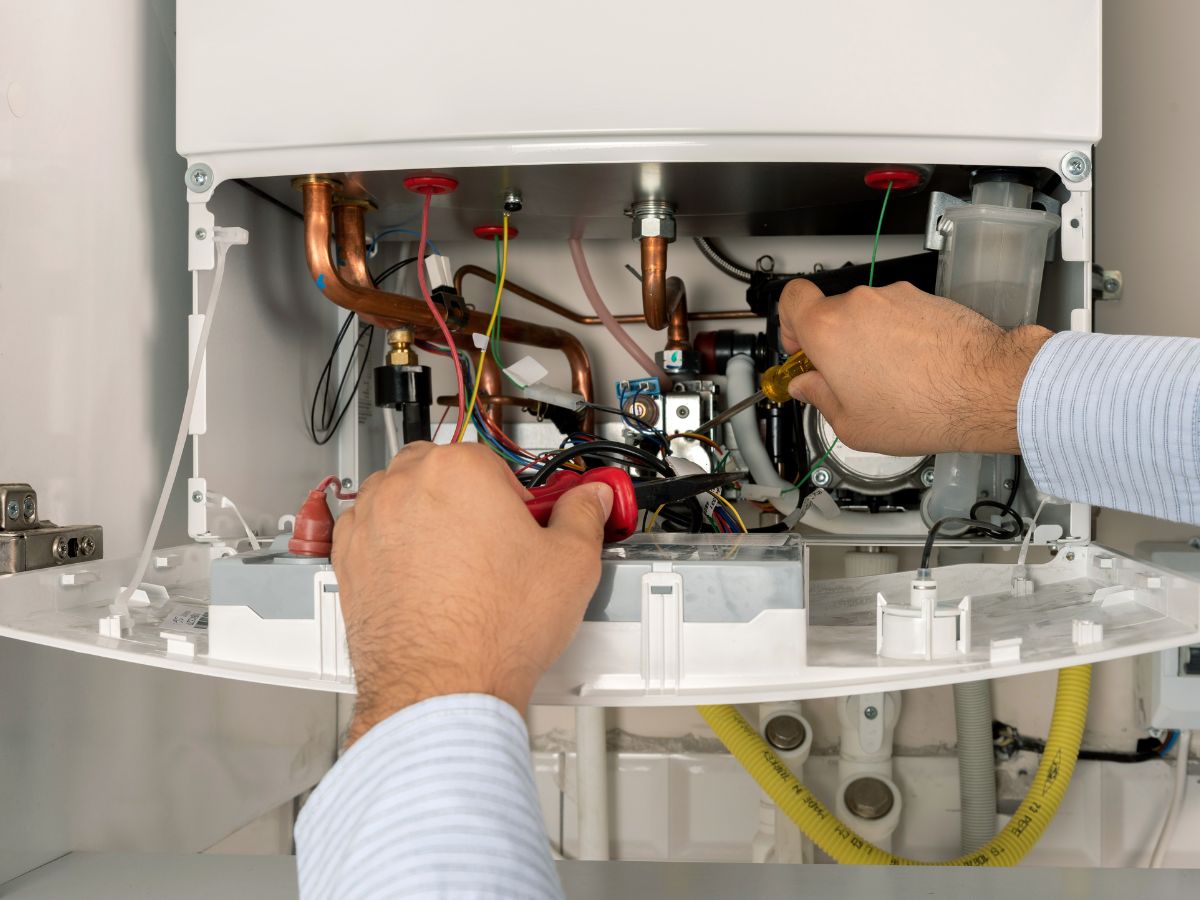
Did you know that 30% of boiler breakdowns occur during winter when you need heating the most? Handling emergency boiler repair services efficiently is vital to maintaining comfort and safety. You must first recognize warning signs like strange noises or uneven heating. Shutting off the boiler and gas supply promptly is essential for safety. But what’s the next step? Should you attempt a DIY fix or call a professional? The right decision can save time money, and possibly prevent future breakdowns. Understanding how to navigate this process is more important than ever.
Recognize the Signs
Identifying early warning signs like strange noises or uneven heating can help you address boiler issues before they escalate. Banging, whistling, or gurgling often indicate trapped air or limescale buildup.
Listen carefully; a sudden change in noise levels usually signals a need for investigation. Additionally, uneven heating in your home may suggest a malfunctioning thermostat or a circulation issue, which necessitates prompt attention.
Check the boiler’s pressure gauge regularly. A reading outside the recommended range—typically 1.0 to 2.0 bar—might mean a leak or a problem with the pressure valve. Low pressure can prevent your system from operating efficiently, while high pressure could lead to more severe damage.
Also, be vigilant about any unusual odors. A burning smell might indicate an electrical fault, whereas a gas smell requires immediate action due to potential leakage.
Monitor the pilot light. A pilot light that frequently extinguishes or changes color from blue to yellow could indicate an issue with the gas supply or burner. Addressing these signs early will prevent more costly repairs and guarantee your boiler operates safely and efficiently.
Regular maintenance enhances the longevity and reliability of your heating system.
Shut Off the Boiler
If you notice any alarming signs, promptly shut off the boiler to prevent further damage and guarantee safety.
First, locate the main power switch on the boiler unit or nearby wall. Turn it to the ‘off’ position. This step cuts electricity to the system, halting operations immediately. Make sure your hands are dry to avoid electrical hazards.
Next, turn off the gas supply. Find the gas shut-off valve, usually a red or yellow handle on the gas line leading to the boiler. Rotate it 90 degrees to stop the flow. This action is essential to prevent potential gas-related dangers.
After securing the power and gas, allow the boiler to cool down. Don’t attempt any repairs or inspections while the boiler remains hot. Cooling guarantees you can conduct safe evaluations and helps prevent burns or other injuries.
If your boiler has a water supply, shut it off at the inlet valve. This step safeguards against leaks and water damage.
Check for Gas Leaks
Guarantee safety by using your senses to detect gas leaks, starting with a smell test near the boiler. Gas leaks often emit a distinctive rotten egg odor due to the added mercaptan. Move slowly around the boiler area, paying close attention to unusual smells. If you detect this odor, there’s a high probability of a gas leak.
Next, listen for unusual hissing sounds that could indicate escaping gas. Avoid using electronic devices or anything that may cause sparks.
Enhance your inspection by checking these physical signs:
- Corroded pipes: Visual inspection of pipes for rust or damage can reveal potential leak sources.
- Dead plants: Vegetation near the boiler that suddenly wilts or dies might signal a leak.
- White mist or fog: Unusual condensation or white mist can be a visual clue of a gas leak.
While checking, ensure the area is well-ventilated to prevent gas accumulation and reduce risk. Natural gas is lighter than air and will rise.
If any signs confirm a leak, evacuate the area immediately. Your priority is guaranteeing safety while mitigating risk, so take these steps seriously and act promptly.
Contact a Professional
Reaching out to a certified heating technician guarantees that your boiler is repaired safely and efficiently by experts who understand the system’s complexities. A professional will conduct a thorough diagnostic to identify the root cause of the issue, guaranteeing that any repairs address the underlying problems rather than just the symptoms.
When you contact a professional, you tap into their wealth of experience and technical knowledge. They’ll fix the immediate issue and offer solutions to prevent future problems. A certified technician will have the tools and parts required for a swift, effective repair, minimizing downtime and restoring your system’s functionality.
Don’t attempt to handle repairs independently, as you might inadvertently compromise safety or void warranties. Professionals adhere to stringent safety standards and are trained to manage complex repairs without risking further damage.
In emergencies, time is of the essence. A skilled technician will prioritize urgent repairs, understanding the critical nature of restoring heat and hot water in your home. Choosing a reputable professional guarantees reliable service and peace of mind, knowing your boiler is in capable hands.
Gather Essential Information
To expedite the diagnostic process, before contacting a professional, gather essential information, such as the boiler’s make, model, and any error codes displayed. This preliminary step saves time and helps technicians prepare for specific issues related to your boiler type. Identifying this data is vital because it allows the repair service to bring the right tools and parts, reducing downtime.
Check your boiler’s manual or labels for the make and model. These details are usually found on the unit’s sticker or metal plate. If present, error codes display on the boiler’s control panel and can offer clues about what’s wrong. Document these codes accurately, as they’re invaluable for prompt troubleshooting.
Consider this information:
- Recent Maintenance History: Note any recent work done on the boiler, as previous repairs might be related to the current issue.
- Operational Symptoms: Describe any unusual noises, leaks, or performance issues you’ve observed, providing a clearer picture of the problem.
- Environmental Factors: Mention changes in your home environment, like temperature fluctuations, which might affect boiler performance.
Understand Repair Costs
Understanding repair costs requires analyzing factors like labor, parts, and the complexity of the issue to effectively budget for boiler repair.
Start by identifying the specific boiler components that need attention. Costs vary considerably depending on whether you’re dealing with a minor leak or a major component failure. For complex issues, labor costs might increase due to longer repair times. Always request a detailed breakdown from your repair technician to avoid unexpected expenses.
Don’t overlook the cost of replacement parts. Boiler models and brands dictate the price range for parts. Generic parts might save money, but consider the long-term reliability and potential impact on the boiler’s warranty. A skilled technician can advise you on the best options, balancing cost and quality.
Also, consider the emergency nature of the repair. Immediate repairs often incur additional charges, especially outside regular business hours. Ask your service provider about any potential extra fees upfront.
Understanding these facets helps you prepare financially, ensuring you aren’t caught off guard.
Prepare for the Visit
Clear the area around your boiler to guarantee the technician has easy access and can start the repair promptly. Remove any clutter or obstructions, ensuring all sides of the unit are accessible. This speeds up the repair process and guarantees the technician can work safely and efficiently.
Next, gather any relevant documentation. Having details such as the boiler model, serial number, and warranty information ready can be invaluable. This information helps the technician diagnose the issue more quickly and determine if any parts are under warranty.
Be prepared to provide a concise description of the issue. Describe any noises, leaks, or error codes you’ve noticed. These details can guide the technician’s troubleshooting efforts and lead to a faster resolution.
- Accessibility: Make certain all safety and shut-off valves are reachable.
- Documentation: Have maintenance records available for review.
- Communication: Be ready to discuss recent performance issues or changes.
Temporary Heating Solutions
Once you’ve confirmed the technician has what they need, consider temporary heating options to maintain comfort until the repair is complete.
Start by utilizing electric space heaters, which are effective for small to medium-sized rooms. Make sure they have safety features like tip-over protection and automatic shut-off. Place them in well-ventilated areas and keep flammable materials away.
If you have fireplaces, they can be a viable option. Ensure chimneys are clean and unobstructed to prevent smoke buildup. Dry, seasoned wood is used for efficient burning and heat output. Infrared heaters are another efficient option, providing consistent heat without greatly raising energy bills.
If you have a heat pump system, switch it to heating mode. It can provide warmth even in the absence of your primary boiler. Layering clothing and using blankets can also help conserve body heat, offering a simple yet effective solution.
Lastly, consider using a portable propane heater if electric options are limited. Make sure to ensure proper ventilation to avoid carbon monoxide accumulation.
Follow Safety Protocols
Prioritize safety protocols by ensuring you have functioning carbon monoxide detectors and fire extinguishers readily accessible. Safeguarding your environment is essential in the event of a boiler emergency.
Carbon monoxide is a silent threat; detectors can alert you before it becomes hazardous. Fire extinguishers are an immediate defense against small fires, potentially preventing more significant disasters. Your safety toolkit should be prepared, checked regularly, and easily reachable.
When engaging in emergency boiler repair, adhere to specific safety practices. Make sure to:
- Wear protective gear: Safety goggles, gloves, and sturdy footwear are non-negotiable. They protect against burns, debris, and other hazards.
- Ensure proper ventilation: Open doors and windows to disperse any gas leaks. This minimizes inhalation risks and reduces explosion chances.
- Shut off power and gas supply: Disconnect power and gas before any inspection or repair. This prevents accidental ignitions or further gas leaks.
Plan for Future Maintenance
Schedule boiler maintenance regularly to prevent emergencies and extend the lifespan of your system. By implementing a routine check-up, you’re guaranteeing efficiency and detecting minor issues before they escalate into costly repairs. Engage a certified technician to conduct these inspections. They’ll clean critical components, check for leaks, and calibrate controls to guarantee peak performance.
Create a detailed maintenance log. Document each service visit, noting what was checked and any parts replaced. This log provides valuable insights into recurring issues and helps technicians make informed decisions during future inspections. It’s a proactive step in managing your boiler’s health.
Consider setting up a service contract with a reputable HVAC company. A service contract assures regular maintenance visits, often at reduced rates, and priority service during peak seasons. This arrangement provides peace of mind, knowing your boiler will receive timely attention.
Stay informed about technological advancements in boiler systems. Upgrades can enhance efficiency and safety. Regularly consult your technician about potential improvements. They can advise on whether investing in new technology could save you money in the long run.
Conclusion
In handling emergency boiler repairs, you’ve played the role of the meticulous detective. By recognizing the signs, shutting off the boiler, and checking for gas leaks, you’ve kept it safe as Fort Knox.
Calling in a pro and gathering information guarantees a speedy resolution. While waiting, use temporary heating solutions and always follow safety protocols.
Finally, plan for future maintenance to keep your boiler in top shape and prevent future boiler-related déjà vu.