
Imagine you’re checking your monthly energy bill and noticing a significant cost drop. It’s not a clerical error but the result of maximizing your heat pump’s efficiency. By maintaining your system, optimizing insulation, and making strategic adjustments to your thermostat, you’ve managed to save quite a bit. Even better, you can do more to boost your savings further. Intrigued? Let’s explore how you can squeeze every bit of efficiency out of your heat pump and why it benefits your wallet and comfort.
Understanding Your Heat Pump
To fully capitalize on your heat pump’s energy-saving potential, you must understand its basic operation and maintenance requirements—a heat pump works by transferring heat from one location to another. During winter, it extracts heat from the outdoor air or ground and moves it inside your home. Conversely, in summer, it takes heat from inside your home and moves it outdoors, cooling your living space.
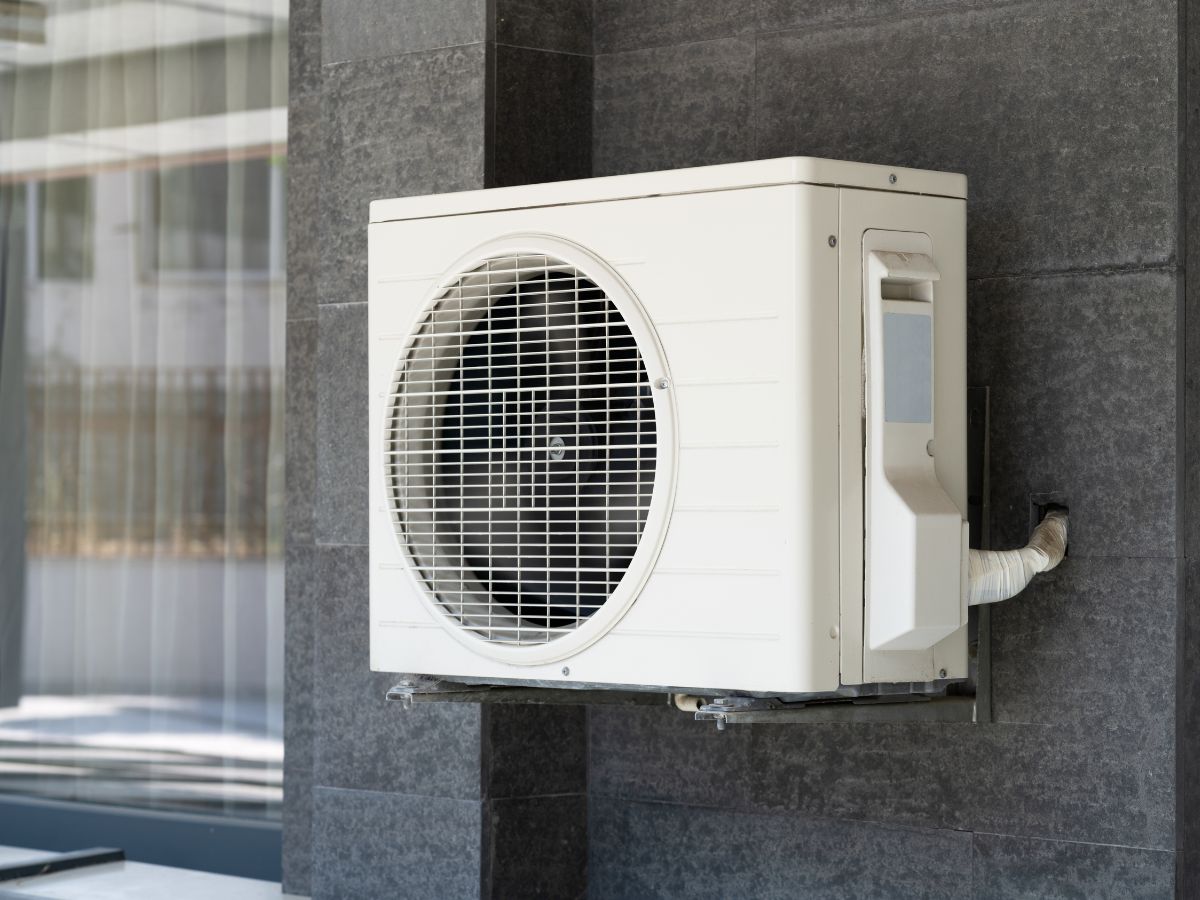
It’s essential to understand how your heat pump’s two primary components work. The first is the indoor air handler, which distributes conditioned air throughout your home. The second is the outdoor unit, which contains the compressor and condenser responsible for heat exchange.
You can adjust the thermostat settings to optimize the heat pump’s efficiency. During heating seasons, set your thermostat as low as comfortably possible. In cooling seasons, the thermostat should be set as high as comfortable. This strategy reduces the workload on your heat pump, helping it operate at peak efficiency.
Knowing your heat pump’s operation is vital, but it’s equally important to recognize signs of potential problems. Unusual noises decreased comfort levels, and sudden spikes in energy bills are red flags that your heat pump may need professional attention.
Regular Heat Pump Maintenance
Keeping your heat pump well-maintained is crucial for its efficiency and longevity. Regular maintenance guarantees optimal performance, reduces energy consumption, and increases the lifespan of your heat pump. It’s an important step that shouldn’t be overlooked.
You should inspect your heat pump system at least twice a year, preferably before the heating and cooling seasons begin. During these inspections, you’ll want to check the filters, coils, and fans for dirt and obstruction. Dirty filters, coils, or fans can greatly reduce your pump’s efficiency. It’s a good practice to clean or replace these components as required.
Remember to check the outdoor unit. Make sure it’s clear of debris, leaves, or grass clippings that could obstruct airflow. Also, confirm its level. If it’s not, the pump could function less effectively.
Your heat pump’s thermostat also requires regular attention. Check that it is set correctly and is not influenced by heat sources like lamps or sunlight. You’ll also want to verify your ducts are sealed properly to prevent heat loss.
Lastly, consider having a professional conduct an annual check-up. They’ll perform a more thorough maintenance check, assuring your heat pump operates at peak efficiency.
Regular maintenance isn’t just about saving energy; it also extends the life of your heat pump.
Importance of Proper Insulation
While ensuring your heat pump is regularly maintained, it’s equally important to pay attention to the insulation in your home for peak energy efficiency. Proper insulation prevents heat loss in the winter and keeps your home cool in the summer. It’s a critical factor in your heat pump’s overall performance and efficiency.
One key area to focus on is your attic. Heat rises, and much of your home’s heat can escape through the roof without proper insulation. Ensure you have a good layer of insulation in your attic to trap the heat.
Walls and floors are other essential areas in which to insulate. For maximum effectiveness, use insulation materials with a high R-value—a measure of thermal resistance.
Don’t overlook your windows and doors, either. Double-glazed windows and weather strips for doors can considerably reduce energy loss.
Additionally, don’t forget your ductwork. Insulating the ducts can prevent heat loss during transmission. A poorly insulated home forces your heat pump to work harder, consuming more energy and ultimately costing you more.
Optimizing Thermostat Settings
Ever wondered how adjusting your thermostat settings can greatly impact your heat pump’s energy consumption? Well, it’s time to explore the science behind it. The thermostat, your heat pump’s control center, regulates the temperature inside your home. Optimizing these settings can lead to significant energy savings.
First, avoid setting your thermostat to an extreme temperature. It will not heat your home any quicker and can lead to excessive energy use. Instead, aim for an energy-efficient, comfortable temperature, typically around 68 degrees Fahrenheit during winter.
Second, don’t frequently adjust your thermostat. Each adjustment forces your heat pump to work harder, using more energy. If you’re leaving for the day, lower the temperature by a few degrees, but not too much. A drastic temperature swing can cause your heat pump to work overtime when you return home.
Lastly, consider nighttime settings. Most people sleep comfortably at cooler temperatures. By lowering your thermostat by 7 to 10 degrees for 8 hours, you can save up to 10% yearly on heating.
Optimizing your thermostat settings isn’t just about comfort. It’s a strategic move towards energy efficiency.
Advantages of Programmable Thermostats
In terms of energy efficiency, installing a programmable thermostat offers numerous advantages over traditional models. It’s not just a question of convenience; it’s about optimizing your heat pump’s operation while minimizing energy consumption.
A significant advantage is setting a heating schedule that aligns with your daily routine. You’re not wasting energy heating or cooling an empty house when no one’s home, and this level of control can lead to significant energy savings.
Another key benefit is the thermostat’s precision. Traditional models often have a degree of error, leading to inefficient heating or cooling. Programmable thermostats, however, maintain the set temperature with pinpoint accuracy, reducing unnecessary energy use.
Moreover, some models offer ‘smart’ features. They can learn from your habits, adjust to external weather conditions, and even be controlled remotely. Imagine adjusting your home’s temperature from your smartphone while you’re still on your way home.
Lastly, the environmental impact shouldn’t be overlooked. By using energy more efficiently, programmable thermostats contribute to reducing carbon emissions, which is a global priority.
Seasonal Adjustments for Efficiency
You’ll also find significant energy savings by making seasonal adjustments to your heat pump’s settings, which can enhance its performance based on changing weather conditions. If you’re looking to maximize your heat pump’s efficiency, it’s important to consider how different seasons can affect its performance and adjust accordingly.
Here are some tips you can follow for each season:
- Winter: You should lower your heat pump’s thermostat when you’re away or sleeping to conserve energy. However, avoid setting it too low as it could cause the backup heating system to kick in, which is less energy-efficient.
- Spring is the best time to schedule a professional maintenance check to ensure your heat pump is in prime condition for the peak summer season.
- Summer: To reduce energy consumption, use the ‘auto’ fan setting instead of ‘on. ‘ This setting allows the fan to operate only when the heat pump is cooling.
- Autumn: As the climate gets cooler, ensure your heat pump is set to the heating mode to maintain a comfortable indoor temperature.
Cleaning and Replacing Filters
Beyond the seasonal adjustments, another effective method to optimize your heat pump’s efficiency involves regular filter cleaning and replacement. You’d be surprised how much a dirty or worn-out filter can inhibit the proper functioning of your system.
Firstly, a clogged filter restricts airflow, causing your heat pump to work harder and consume more energy. This leads to higher energy bills and increases wear and tear on the system. Regularly cleaning the filters can help prevent this. You can simply use a soft brush to remove any debris gently. Be sure to turn off the heat pump before you start cleaning.
However, cleaning won’t suffice if your filters are old and worn out. Filters should be replaced every three months, but it might be more frequent if your home is dusty or you have pets.
When replacing the filter, verify you’re using the right size and type recommended by the manufacturer. If unsure, refer to your heat pump’s manual or contact a professional.
Checking Ductwork Regularly
Regularly inspect your ductwork to verify it’s sealed and insulated properly. This plays an essential role in your heat pump’s energy efficiency. Faulty ductwork can lead to significant energy loss, reducing the effectiveness of your system and inflating your utility bills.
Here are some points to evaluate when checking your ductwork:
- Sealing Leaks: Use a mastic sealant or metal tape to close any visible cracks, gaps, or seams in your ductwork. Stay away from duct tape; despite its name, it’s not the best option for this job.
- Checking Insulation: Confirm that your ductwork is insulated, particularly if it runs through unheated spaces. This minimizes heat loss during transmission.
- Professional Inspection: If you’re unsure what to look for, hire a professional. They have the expertise to identify and fix any ductwork issues.
- Regular Maintenance: Don’t wait for problems to surface. Schedule regular ductwork maintenance to keep your system running efficiently.
Strategic Landscaping Benefits
Strategically planning your landscaping can effectively enhance the energy efficiency of your heat pump system. By positioning trees and shrubs wisely, you’ll create natural wind barriers that reduce the cold air reaching your home. This means less work for your heat pump in maintaining a steady indoor temperature and less energy consumption overall.
In summer, well-placed deciduous trees can provide shade and minimize solar heat gain. They’ll offer a cooling effect, reducing your heat pump’s cooling load and saving energy. In winter, these trees will lose their leaves, allowing the sun’s warmth to penetrate your home, reducing your heating needs.
Evergreen trees and shrubs, when placed on the north and west sides of your property, can act as windbreaks in winter. They’ll shield your home from cold winds, contributing to lower heating requirements.
Grass, ground cover, and other plants can also cool the air around your home by transpiring—releasing water vapor—which lowers air temperature. This assists your heat pump in operating more efficiently in hot weather.
Professional Energy Audits
To further enhance the efficiency of your heat pump, it’s wise to invest in professional energy audits. These audits provide a detailed examination of how your home’s energy is used and where it’s wasted. Most importantly, they provide recommendations for improving efficiency and reducing energy costs.
Here are some key points to remember when considering professional energy audits:
- An energy audit involves a series of tests, including a blower door test to detect leaks and an infrared camera inspection to reveal hard-to-spot heat loss areas.
- The auditor will assess your insulation, HVAC system, and appliances for energy efficiency and provide a detailed report with improvement recommendations.
- Implementing these recommendations could result in significant energy savings. Sealing air leaks can save up to 20% on heating and cooling costs.
- Professional energy audits aren’t just for older homes. New homes can also benefit from an energy audit to identify potential inefficiencies before they become costly problems.
Conclusion
Remember that regular maintenance, proper insulation, and strategic thermostat settings are key to boosting your heat pump’s efficiency.
Don’t overlook the benefits of programmable thermostats, clean filters, and regular ductwork checks.
Consider strategic landscaping and professional energy audits, too.
Following these energy-saving tips ensures peak performance, reduces energy costs, and enhances home comfort.
Ultimately, it’s all about creating a tailored heating schedule that adapts to changing weather while pinpointing inefficiencies for potential savings.