
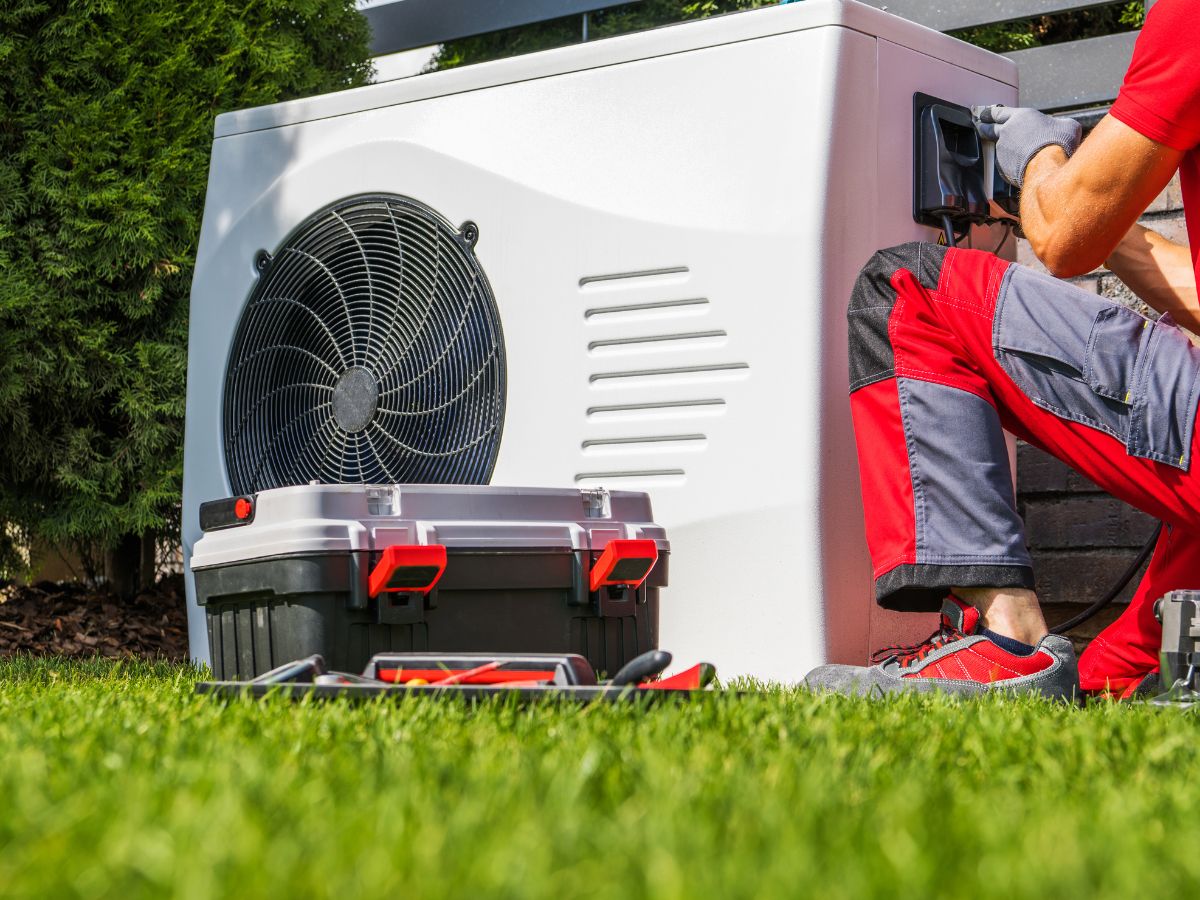
Maintaining your heat pump is essential, but are you aware of the specific tasks required each season? Spring filter changes, summer refrigerant level checks, fall outdoor unit clearances, and winter snow removal all play significant roles in the lifespan and efficiency of your system. Ignoring these can lead to energy wastage, poor air quality, and unexpected repair costs. Explore these seasonal responsibilities in detail and see how they contribute to a comfortable, cost-effective living environment.
Understanding Heat Pump Basics
Before discussing seasonal maintenance tips, it’s important to understand the basic mechanics and operation of your heat pump. This system works by transferring heat from one place to another, making it an efficient and eco-friendly solution for controlling the temperature in your home.
A fundamental understanding of your heat pump’s components is essential. You’ve got two main parts: the indoor air handler and the outdoor unit. The outdoor unit houses the compressor, which basically serves as the heart of the system, pumping refrigerant through the coils and converting it from a low-pressure gas to a high-pressure one.
Each part of the system plays a significant role in maintaining a comfortable indoor climate. For instance, the air handler circulates conditioned air throughout your home, while the outdoor unit extracts or releases heat, depending on the season.
Knowing how each part functions will help you identify potential issues and improve the efficiency and longevity of your system. Remember, your heat pump is a complex machine; treating it carefully is paramount to its performance and comfort.
Spring Cleaning for Your Heat Pump
As the chill of winter subsides, it’s time to give your heat pump a thorough spring clean to confirm it operates efficiently throughout the warmer months. This task not only prolongs your system’s lifespan but also helps maintain its performance.
First, you’ll want to clean or replace the filters. Dust, dirt, and other particles can clog the filters over time, reducing efficiency and increasing energy consumption. It’s recommended that you clean or replace them every three months or more frequently if needed.
Secondly, inspect the coils and cabinet. Over the winter months, these external parts can get dirty or damaged, compromising the system’s performance. Use a soft brush to remove debris gently; if you notice any damage, call a professional.
Lastly, remember to check your thermostat. Confirm it’s working properly and set for warmer weather. Remember, a properly functioning thermostat can efficiently control your heat pump’s operations, saving you energy and money.
Spring cleaning your heat pump is essential to your regular maintenance routine. It’s a simple task that can pay off in the long run.
Importance of Summer Servicing
Summer servicing of your heat pump is critical in guaranteeing its best performance during the heat-intensive months. It’s not just about comfort but also efficiency and longevity. When you neglect summer servicing, you’re fundamentally inviting potential problems that could lead to costly repairs or premature replacements.
This seasonal servicing involves cleaning and checking the entire system. Technicians will inspect the coils, filters, and fins for dirt and debris, which can reduce your unit’s efficiency and increase energy costs. They’ll also examine the refrigerant levels, as low or high levels can damage the compressor or affect the heat exchange process, respectively. They’ll check the electrical connections, confirming they’re tight and corrosion-free.
Summer servicing also includes thoroughly inspecting the thermostat to verify its working properly and accurately reading temperatures. This can prevent your unit from overworking, consequently prolonging its lifespan. Additionally, they’ll lubricate all moving parts to reduce friction and wear.
In summary, summer servicing is a proactive approach to maintaining your heat pump. It’s an investment in your comfort, energy savings, and system longevity. So, don’t underestimate its importance; schedule your appointment today.
Preparing for Fall: Heat Pump Tips
When the leaves change colors, it’s the perfect reminder to prepare your heat pump for the cooler months ahead. Fall is the changing season when your pump shifts from cooling to heating, and it’s vital to guarantee it’s in excellent condition to function efficiently.
- Inspect and Clean Filters: Your first task should be to inspect the air filters. If they’re clogged with dust, they can obstruct airflow, making the pump work harder and consume more energy. Clean or replace the filters as needed.
- Check the Outdoor Unit: The outdoor unit should be free from leaves, twigs, and other debris that may have accumulated over the summer. This debris can affect the heat exchange process, so keeping the area around the unit clean is important.
- Schedule Professional Maintenance: Finally, it’s wise to schedule a professional maintenance check. A technician can perform detailed checks on the system’s components and address potential issues before they escalate into expensive repairs.
Winter Maintenance for Optimum Performance
With winter approaching, it’s time to focus on maintaining your heat pump for optimum performance during the coldest months of the year. Confirming that your pump is in prime condition can greatly reduce energy costs and extend its lifespan.
Firstly, confirm that your heat pump is clear of ice and snow. Accumulation can impede your unit’s operation, causing it to work harder, and leading to higher energy costs and potential damage. Regularly check your outdoor unit and carefully remove any build-up.
Next, be vigilant about your thermostat’s settings. Resist the urge to increase the temperature during extremely cold days drastically. Heat pumps work best when maintaining a constant temperature. Sudden changes can strain the system and reduce its efficiency.
Lastly, inspect your unit for any unusual noise or vibration. These could be signs of loose or damaged parts, which should be addressed promptly to avoid major repairs down the line. If you’re unsure, it’s best to call in a professional.
Seasonal Filter Change Importance
Changing your heat pump’s filter regularly, especially as the seasons change, is essential for maintaining efficiency and longevity. A clogged or dirty filter can restrict airflow, forcing your unit to work harder than necessary. This reduces its effectiveness and can lead to premature wear and tear.
Now, you might wonder, ‘Why is it important to prioritize filter changes with the changing seasons?’ Here are three compelling reasons:
- Seasonal Allergens: Different seasons bring different types of airborne particles. A clean filter can effectively capture these potential allergens, improving your home’s indoor air quality.
- Energy Efficiency: A fresh filter allows for peak airflow, making your heat pump more energy efficient. Over time, this can translate to significant savings on your energy bills.
- Prevent Breakdowns: Regular filter changes can help prevent unexpected and costly repairs or even a full system breakdown during peak usage times.
Routine Inspection and Cleaning
Beyond regular filter changes, conducting routine inspections and cleaning your heat pump to guarantee peak performance is crucial. This process thoroughly checks the entire system, confirming that each component functions as it should. So, let’s explore what this entails.
First, inspect the exterior unit for debris. Leaves, twigs, and dirt can accumulate and obstruct airflow, causing your system to work harder than necessary. Also, check the fan for damage and clean it regularly to maintain smooth operation.
Next, check the interior parts. This includes the coils, which can collect dust and reduce efficiency if not cleaned. Inspect the electrical connections, looking for any signs of wear or corrosion. If you’re uncomfortable with this, it’s best to call a professional.
Benefits of Regular Heat Pump Maintenance
So, why should you prioritize regular maintenance of your heat pump? Numerous benefits directly contribute to the longevity and efficiency of your system.
Enhanced Efficiency: Regular maintenance guarantees your heat pump operates at its highest efficiency. Dust and debris can accumulate over time, hindering its performance. Regular cleaning and inspection help your system work less hard and consume less energy, lowering utility bills.
Extended Life Span: Properly maintained heat pumps typically last longer. Routine checks can help catch minor issues before they develop into costly problems, extending the life of your heat pump.
Improved Air Quality: A clean, well-maintained heat pump can improve the air quality in your home. It reduces dust, allergens, and pollutants, promoting a healthier living environment.
Troubleshooting Common Heat Pump Issues
Understanding how to troubleshoot common issues in heat pump maintenance can save you time and costly repairs. Recognizing signs of trouble early on might help you address minor issues before they become major ones.
Firstly, check your thermostat settings if your heat pump isn’t producing enough heat. If it’s set correctly, your filters might need cleaning or replacing. Remember, dirty filters restrict airflow and affect your unit’s efficiency.
Secondly, unusual noises could indicate mechanical problems. Listen for grinding, squealing, or gurgling sounds. These noises might signal a motor issue or a refrigerant leak. Don’t ignore them; instead, try to identify their source.
Thirdly, if your heat pump constantly cycles on and off, it may be due to overheating. A blocked air filter or a malfunctioning fan often causes this.
Lastly, notice any frost build-up on the coils. While some frosting is normal in colder weather, excessive frost can impair your heat pump’s performance.
Seeking Professional Maintenance Assistance
While you can tackle some heat pump issues on your own, there are times when it’s crucial to seek professional maintenance assistance. Although you might be skilled at identifying minor malfunctions and performing basic maintenance, it’s important to remember that heat pumps are complex systems. They require specialized knowledge and skills to guarantee they operate efficiently and safely.
You should consider seeking professional help in these circumstances:
- When the system isn’t heating or cooling despite your troubleshooting efforts.
- If a persistent, untraceable noise or smell is coming from your unit.
- In case of unexplained spikes in your energy bills, which might indicate a system efficiency problem.
A professional technician will conduct a thorough inspection, accurately diagnose the problem, and perform necessary repairs or replacements.
They’re also trained to recognize potential issues that you might miss, which can prevent future breakdowns and costly repairs.
Additionally, regular professional maintenance can extend your heat pump’s lifespan and ensure it operates efficiently.
Conclusion
So, when your heat pump starts acting like a horseless carriage, don’t fret.
Regular seasonal maintenance is your secret weapon.
Whether it’s spring cleaning or winter upkeep, staying vigilant is key.
Remember, a well-maintained heat pump boosts energy efficiency, improves air quality, and saves you money on repairs.
So, roll up your sleeves or call in the pros because keeping your heat pump in top shape is truly a year-round commitment.