
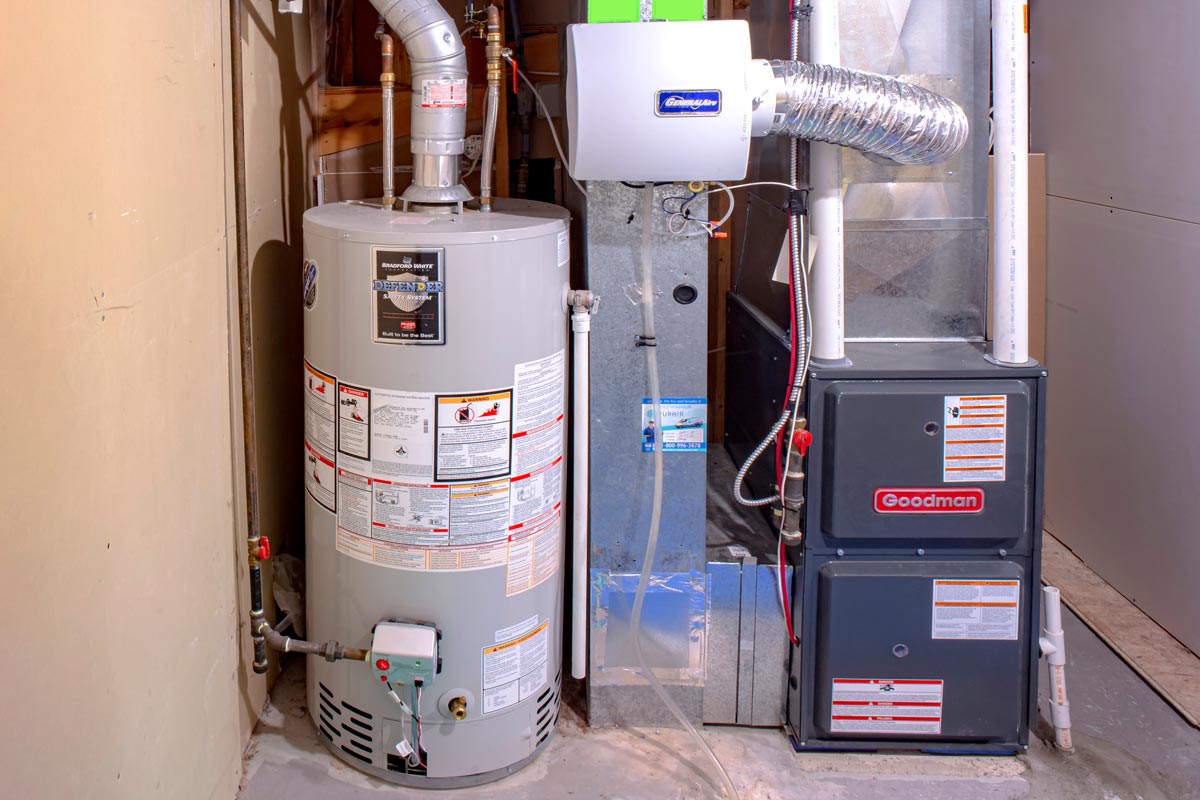
Regarding boiler installation services, you’ll find that making the right choice isn’t as straightforward as you might’ve thought. It’s not just about picking any system and getting it installed. You must evaluate your property’s heating needs, the boiler’s size, energy efficiency, and more. But how do you figure all that out and know if you’re getting the best deal? In the following discussion, we’ll explore these evaluations in detail, helping you make an informed decision that suits your needs.
Understanding Boiler Systems
To fully grasp the concept of boiler systems, you must understand their basic components and how they operate together in harmony. The heart of any boiler system is the boiler itself, usually a large, insulated container where water is heated. This process is powered by a burner, which can use different fuel types such as gas, oil, or electricity.
The heated water or steam then travels through pipes to the radiators or convectors, distributing heat throughout your building. Along the way, a series of controls and valves guarantee that the system operates safely and efficiently.
One key component is the pressure relief valve, which prevents the system from becoming dangerously pressurized. The circulator pump keeps the water moving, and the expansion tank accommodates changes in water volume as it heats and cools.
Knowing these elements and how they work together gives you a solid foundation for making informed decisions about boiler installation. Remember, a well-designed, well-maintained boiler system can provide years of reliable, energy-efficient heat. So, understanding the basics before making decisions is well worth your time.
Evaluating Your Heating Needs
Now that you have a grasp on the basic components of a boiler system, it’s time to examine your specific heating needs to determine the most suitable system for your building. This examination isn’t just about the size of your property but also about your usage patterns and comfort preferences.
Begin by evaluating the size and insulation of your property. Remember, a larger, poorly insulated property will require a more powerful boiler than a smaller, well-insulated one. You should also consider the number of rooms and occupants. A bigger family or staff means more hot water is required, indicating a need for a higher-capacity boiler.
Next, assess your usage patterns. Do you need heat all day or just during specific hours? Your boiler system should match these requirements. If your building is vacant during certain periods, you might want a system with programmable settings to save energy.
Lastly, consider your comfort preferences. If you prefer a warmer environment, you might want a system with a higher output. By understanding your heating needs, you can make an informed decision about your boiler system, ensuring maximum comfort and efficiency.
Initial Investment Versus Long-Term Cost
Understanding the balance between initial investment and long-term costs is essential when selecting a boiler system for your property. You may be tempted to opt for a cheaper model to save on upfront costs, but it’s important to consider the ongoing expenses. Cheaper boilers may have higher maintenance costs or consume more energy, which can add to your bills over time.
While energy-efficient boilers are more expensive initially, they often result in lower utility bills, making them more cost-effective in the long run. Don’t overlook the potential savings on repairs and replacements, either. High-quality boilers are generally more durable and require less frequent servicing, saving you considerably over the system’s lifespan.
Reflect on the financing options available as well. Many service providers offer flexible payment plans, allowing you to spread out the cost of your new boiler over several months or years. Be sure to factor these into your budget when making your decision.
Key Features of Modern Boilers
When choosing a modern boiler, it’s essential to evaluate its key features, which can greatly influence its performance and overall efficiency. You’re not just looking for a boiler that heats your space; you want a system that offers reliable performance, easy maintenance, and long-term cost savings.
One key feature to assess is the boiler’s modulation range. The more comprehensive the range, the more precisely the boiler can adjust its heating output to match your needs, leading to significant energy savings. You’ll also want to look for boilers with advanced control systems. These systems offer a higher degree of customization, allowing you to tailor your heating patterns to your lifestyle and preferences.
Next, evaluate the boiler’s ease of maintenance. Boilers with self-cleaning features can help reduce the time and effort required for upkeep. Similarly, boilers with built-in diagnostic tools can help you quickly identify and troubleshoot potential issues, saving you the cost and hassle of unnecessary service calls.
Lastly, don’t overlook the boiler’s warranty. A solid warranty can offer you peace of mind, knowing you’re protected against unforeseen issues. You can choose a boiler that best serves your needs and clients by carefully assessing these features.
Energy Efficiency: A Crucial Factor
Undeniably, energy efficiency plays a pivotal role in selecting the right boiler system. As a professional committed to serving others, you’re well aware of the importance of this factor. Energy-efficient boilers reduce your carbon footprint and are cost-effective in the long run.
To guarantee you’re choosing an energy-efficient boiler, consider the following points:
- Check the Annual Fuel Utilization Efficiency (AFUE) rating. The higher the rating, the more energy-efficient the boiler is.
- Opt for a boiler with a modulating heating feature. This allows it to adjust its heat output based on the temperature outside, saving energy.
- Select boilers that have earned the ENERGY STAR label. These boilers meet the strict energy efficiency guidelines set by the U.S. Environmental Protection Agency.
- Consider the type of fuel the boiler uses. Natural gas boilers are generally more energy-efficient than oil boilers.
- Look for boilers with advanced features like a condensing system, which captures and reuses heat that would otherwise escape.
Choosing the Right Boiler Size
While it’s important to prioritize energy efficiency, you should also pay close attention to the size of the boiler you’re considering. The correct size is essential for both performance and cost-effectiveness. A boiler that is too large will consume more energy than necessary, while a unit that is too small may struggle to heat your space adequately.
To find the right size, consider your property’s heating requirements. Factors such as the size of your home, its insulation levels, the local climate, and your individual heating needs all come into play. It’s a complex process, but accurately calculating these factors can lead to significant savings in the long run.
It is beneficial to consult a heating professional to get an accurate heat load calculation. They’ll assess your home and provide a recommendation based on your unique circumstances. Remember, the aim isn’t to get the biggest boiler but the one that matches your needs most efficiently.
Choosing the correct boiler size isn’t just a matter of comfort—it’s also about reducing unnecessary energy consumption, lowering your carbon footprint, and saving on energy costs. It’s an investment in a more sustainable and cost-effective future.
Comparing Different Boiler Brands
Often, you’ll find that the boiler brand can markedly impact its performance, reliability, and cost. Each brand touts its unique features, benefits, and, of course, pricing. As a service provider, you must guide your clients in choosing the brand that best matches their unique needs and budget.
There are several factors to take into account when comparing different boiler brands:
- Efficiency: Some brands are more energy-efficient than others, offering significant savings in the long run.
- Durability: A brand’s boiler unit’s life expectancy can reflect its overall quality.
- Warranty: A strong warranty is a good indication of the manufacturer’s confidence in the product.
- Customer Support: The brand’s reputation for customer service can be essential in times of need.
- Price: Although not the only factor, the cost of the boiler will definitely come into play.
Professional Installation Services: Pros and Cons
Steering through the domain of professional boiler installation services, you’ll encounter both advantages and drawbacks that can greatly influence your decision. One of the primary benefits of going pro is the guarantee of quality and efficiency. These experts possess the necessary knowledge and skills to guarantee proper and safe installation. They’ll also comply with all relevant safety codes and regulations, giving you peace of mind.
However, these services come with their own set of challenges. The cost is often higher than a DIY approach, which can be a deterrent for those working within a tight budget. Additionally, you’re at the mercy of the installer’s schedule, which may cause delays or inconveniences.
It’s essential to weigh these pros and cons carefully. Remember that while DIY can save you money upfront, issues resulting from incorrect installation can lead to more significant expenses down the line. On the other hand, professional services guarantee quality but at a higher initial cost. Ultimately, the decision should align with your budget and your comfort in handling such a complex task.
Maintenance and Warranty Considerations
After deciding whether to go for professional installation or a DIY approach, you’ll need to contemplate long-term factors like maintenance requirements and warranty options for your boiler system. Maintenance and warranty are essential considerations when choosing a boiler system. You need to guarantee your system’s longevity and reliability and avoid unnecessary expenses in the future.
When considering maintenance, you’ll want to understand:
- How often maintenance is needed.
- The cost of routine maintenance.
- The availability of professionals trained on your specific boiler system.
- The complexity of the maintenance tasks.
- The time required to perform regular maintenance.
In terms of warranty, make certain you’re clear about the following:
- The duration of the warranty.
- What does the warranty cover (parts, labor, etc.)?
- The process to claim warranty service.
- The reliability of the manufacturer or installer to honor the warranty.
- Any actions or situations that could void the warranty.
Making the Final Decision
Once you’ve considered all these factors, it’s time to weigh your options and decide on the right boiler system for your needs. You’ve researched and compared different models, assessed your requirements, and considered the maintenance and warranty terms. It’s not an easy decision, but it’s an important one.
Review your notes again, focusing on the key features that matter most to you. Is it energy efficiency? Longevity? Or the ease of maintenance? It’s crucial to prioritize these aspects according to your needs and circumstances. Don’t rush the decision, but don’t procrastinate, either. Time is of the essence, especially if you’re dealing with a failing system.
Consider consulting with a professional. A qualified boiler installation service can provide invaluable advice and help you navigate the complexities of different systems. They’ll take into account your specific needs, budget, and property characteristics.
Conclusion
In summary, finding the right boiler installation service isn’t challenging if you’re well-informed. Did you know about 75% of your home energy usage comes from heating and hot water? It’s thus essential to choose an efficient, well-sized boiler and professional installation service. Remember to evaluate long-term costs, key features, brand reputation, and warranty. Ultimately, your choice should maximize comfort, efficiency, and safety in your home.