
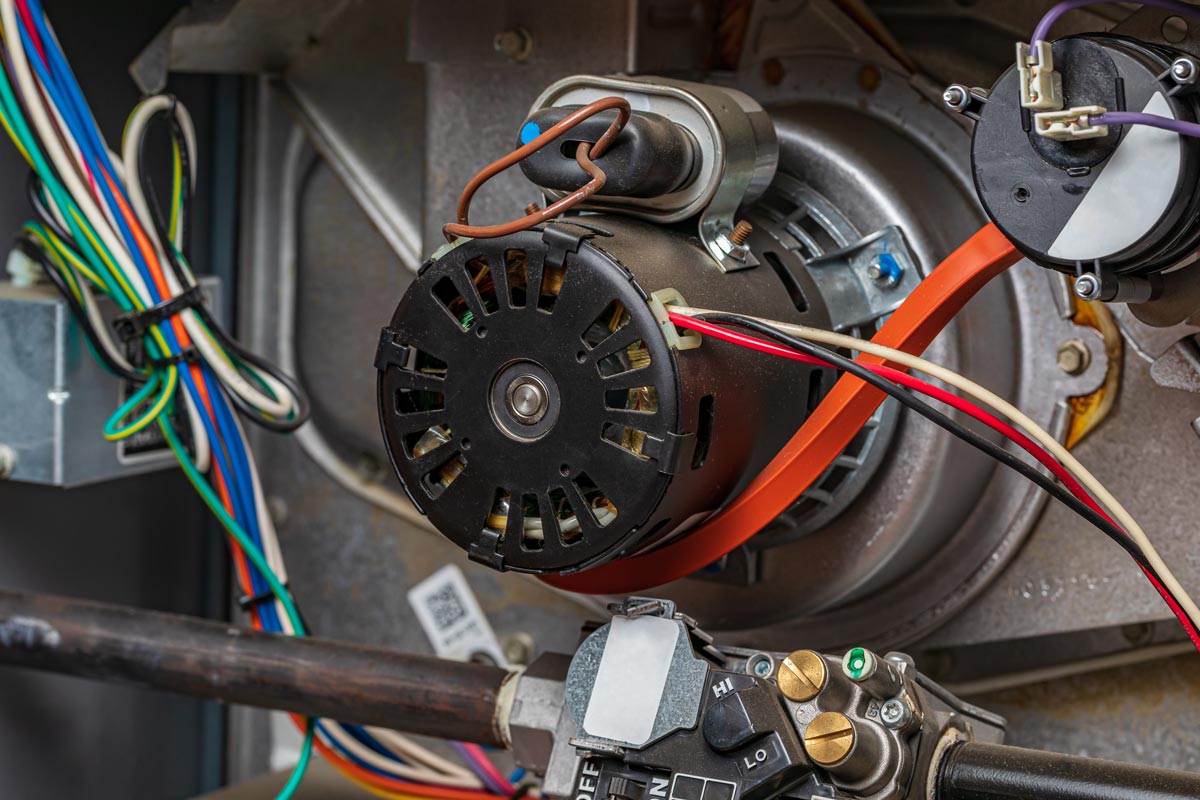
Sure, you might think tackling furnace issues is best left to professionals, but there’s plenty you can do yourself. You can diagnose and possibly even fix common problems with some knowledge and guidance. Consider how satisfying it would be to troubleshoot an issue, saving time and potentially avoiding a costly service call. Intrigued? Let’s explore how you can take control of your home’s heating needs and become your own furnace whisperer.
Identifying Common Furnace Problems
You might encounter a range of common furnace issues during its lifespan, and identifying them accurately is essential for efficient troubleshooting and repair. These common issues range from minor inconveniences to significant problems that demand immediate attention.
For instance, a furnace not producing enough heat could be due to a dirty or clogged filter restricting airflow. You may also notice your furnace constantly running, which could be a sign of a faulty thermostat or a problem with the limit switch. On the other hand, a furnace blowing cold air may point to a problem with the pilot light or gas supply.
Sudden, strange noises coming from your furnace? That’s often a telltale sign of mechanical issues such as a loose belt or a failing motor. Detecting a strong gas smell could indicate a gas leak – a severe safety hazard requiring immediate professional attention.
Troubleshooting a Non-Functional Furnace
Should your furnace fail to function altogether, following a systematic approach can help pinpoint the root cause. Start by checking the power source. Furnaces, whether gas or electric, require power for their control systems. If your home’s power is on but the furnace isn’t, it could be an issue with the circuit breakers. A quick reset might solve the problem.
Next, inspect the pilot light. A non-functional pilot light for gas furnaces prevents the system from creating heat. If you’re comfortable performing this task, try relighting the pilot. Be aware, though, that a frequently extinguishing pilot light may indicate a more severe issue, like a faulty thermocouple.
Thirdly, assess the thermostat. Verify it’s set to ‘heat’ and the temperature is high enough. A malfunctioning thermostat can prevent the furnace from turning on, even if the system is perfectly fine.
Lastly, look at the furnace filter. A clogged filter can cause the furnace to overheat and shut down as a safety measure. Regular filter changes are a critical maintenance aspect that can’t be overlooked.
Through this methodical approach, you’ll likely identify why your furnace isn’t functioning.
Steps to Fix Insufficient Heat
Tackling the issue of a furnace producing insufficient heat involves a few key steps that demand careful attention and accuracy. It’s not just about getting the job done; it’s about guaranteeing you do it right. You’re providing a service, and the satisfaction of those you serve is paramount.
Firstly, check the thermostat. It’s the brain of the operation, and if it’s not set correctly, it can affect the furnace’s performance. Ensure it’s set to heat and the temperature is higher than the current room temperature. If it’s not functioning correctly, it may be time for a replacement.
Secondly, inspect the furnace filter. A clogged filter can restrict airflow, reducing the furnace’s efficiency and heat output. If it’s dirty, replace it with a new one. Regular replacement of the filter can prevent future issues.
Lastly, examine the furnace’s gas valve. Confirm it’s fully open to allow sufficient gas flow. It can limit the heat produced if it’s closed or partially closed.
- Get your hands dirty and do it right
- Guarantee comfort and satisfaction for all
- Be the hero on the cold winter nights
Addressing Frequent Cycling Issues
Switching gears, let’s address one of the most common furnace issues: frequent cycling. This is when your furnace starts and stops more often than it should. You may notice that it constantly turns on and off, which wastes energy and could also mean a more significant problem.
Firstly, check your thermostat settings. An improperly set thermostat could cause your furnace to overwork, leading to frequent cycling. Make sure it’s set to ‘auto’ and not ‘on,’ which will allow the system to turn off when it reaches the desired temperature.
If the thermostat isn’t the issue, it could be a problem with the filter. A clogged filter restricts airflow, forcing your furnace to work harder and cycle more frequently. Regularly inspect and change your filter as needed to guarantee efficient operation.
Lastly, your furnace may be too large for your space. An oversized furnace will heat your home quickly, causing it to turn off and on frequently. If you suspect this is the case, consult a professional to assess your system’s size.
Resolving Continuous Blower Problems
Moving on to continuous blower problems, you might find your furnace blower running non-stop, leading to increased energy costs and potential damage to your system. This issue often arises due to a malfunctioning limit switch or incorrect thermostat settings.
A faulty limit switch is the most common culprit of a continuously running blower. This component regulates the furnace’s operation and shuts it off when the desired temperature is reached. If it’s not working correctly, your blower will keep running, causing your system to overheat and increasing your energy bill.
Incorrect thermostat settings can also cause this problem. Confirm that the fan setting on your thermostat is set to ‘auto’ instead of ‘on.’ The ‘on’ setting will keep your blower running continuously, regardless of the heating demand.
As you address these issues, remember:
- Your commitment to service is key to resolving these challenges.
- Patience and persistence often lead to success when troubleshooting.
- Empathy for clients facing these issues can motivate you to find effective solutions faster.
Ultimately, if you’ve checked the limit switch and thermostat settings and the problem persists, it’s probably time to call in a professional.
Dealing With a Noisy Furnace
Grinding, banging, or squealing – if your furnace makes these noises, it’s a clear sign that something is amiss and needs immediate attention. Don’t panic, though. You can address these issues, and we’re here to guide you.
Firstly, identify the type of noise. Grinding usually points to a motor issue, likely a faulty bearing. It’s not a job for the untrained, so don’t hesitate to call in a professional. Banging or popping noises often arise from dirty furnace burners, delaying ignition and causing gas buildup. Thorough cleaning is a good first step, but you might need to adjust the gas-air mix too.
Squealing suggests a belt-driven problem. Check the blower belt for wear or slippage. If it’s loose, tighten it, or replace it altogether if it’s worn. Don’t forget to inspect the pulley alignment too.
Understanding Furnace Error Codes
Diving into the domain of furnace error codes, you’ll find that these cryptic messages are your furnace’s way of communicating specific problems that need your attention. The furnace uses these codes to indicate problems beyond the ordinary, often requiring technical expertise.
To effectively understand and respond to these error codes, you need to understand what they represent. Here are a few examples:
- Error Code 33: Indicates a limit circuit fault. This could mean your furnace is overheating, and the system has shut down to prevent further damage.
- Error Code 13: Points to a limit switch lockout, possibly due to a malfunctioning blower or blocked filter.
- Error Code 31: This code signals a pressure switch failure, often due to a blocked vent pipe or inducer problems.
Maintenance Tips for Furnace Longevity
How can you guarantee your furnace stays in peak condition for as long as possible? It starts with regular maintenance. Don’t wait until it’s freezing outside to inspect your furnace. Instead, schedule periodic check-ups before the cold season hits, preferably in the fall.
Firstly, keep your furnace clean. Dirt is the biggest enemy of your furnace—it can cause it to waste fuel and drastically lower its efficiency. Regularly clean or replace your furnace’s filter. A clogged filter can restrict airflow, causing your furnace to work harder and wear out faster.
Secondly, ascertain proper ventilation. Make sure the area around your furnace is clear of any items that could obstruct airflow. Keeping vents open, clean, and unblocked is important to ascertain consistent and efficient heat distribution throughout your home.
Lastly, check your thermostat settings. An incorrectly set thermostat can put unnecessary stress on your furnace.
Professional Assistance for Furnace Repairs
Despite your best maintenance efforts, there may come a time when your furnace needs professional repairs to address complex issues beyond typical homeowner expertise. This is a critical juncture that requires you to seek the help of a trained technician who can identify, diagnose, and rectify problems swiftly and efficiently.
Enlisting professional help brings many benefits that guarantee your furnace runs at peak performance. These benefits can be categorized into three key areas:
- Quality of repairs: Professionals have the knowledge and tools to perform high-quality repairs that can extend the life of your furnace.
- Time-saving: They’re skilled in troubleshooting and can quickly identify and fix issues, saving you precious time.
- Peace of mind: Knowing a trained technician handles your furnace repairs can alleviate stress and provide reassurance.
Safety Precautions During Furnace Troubleshooting
While professional help is invaluable for complex furnace issues, there are basic troubleshooting steps you can safely perform on your own with the right precautions. Here is a list of safety measures to keep in mind.
Always turn off the power supply to your furnace before starting any troubleshooting. This is done by turning off the circuit breaker or unplugging the unit. Do not attempt to work on a live furnace, as it can lead to severe injuries or even death.
Wear proper protective gear. Safety gloves, glasses, and steel-toed shoes protect you from sharp objects, hot surfaces, and electrical shocks.
Avoid breathing in carbon monoxide. A faulty furnace can release this toxic gas. If you smell a rotten egg-like odor or your carbon monoxide detector goes off, evacuate immediately and call a professional.
Never bypass safety features. Furnaces have built-in safety mechanisms like the limit switch and flame roll-out switch. These should never be bypassed as they are designed to shut the furnace off in case of unsafe operation.
Conclusion
So, you’ve now got the tools to tackle common furnace issues head-on. Remember, understanding your furnace isn’t rocket science; it’s just good home stewardship. Keep your thermostat settings, filters, and gas valve in check. Don’t let error codes intimidate you. Regular maintenance brings longevity. But if all else fails, don’t hesitate to call in the pros. Safety comes first, always. Now, aren’t you feeling like a furnace troubleshooting pro? Happy heating!