
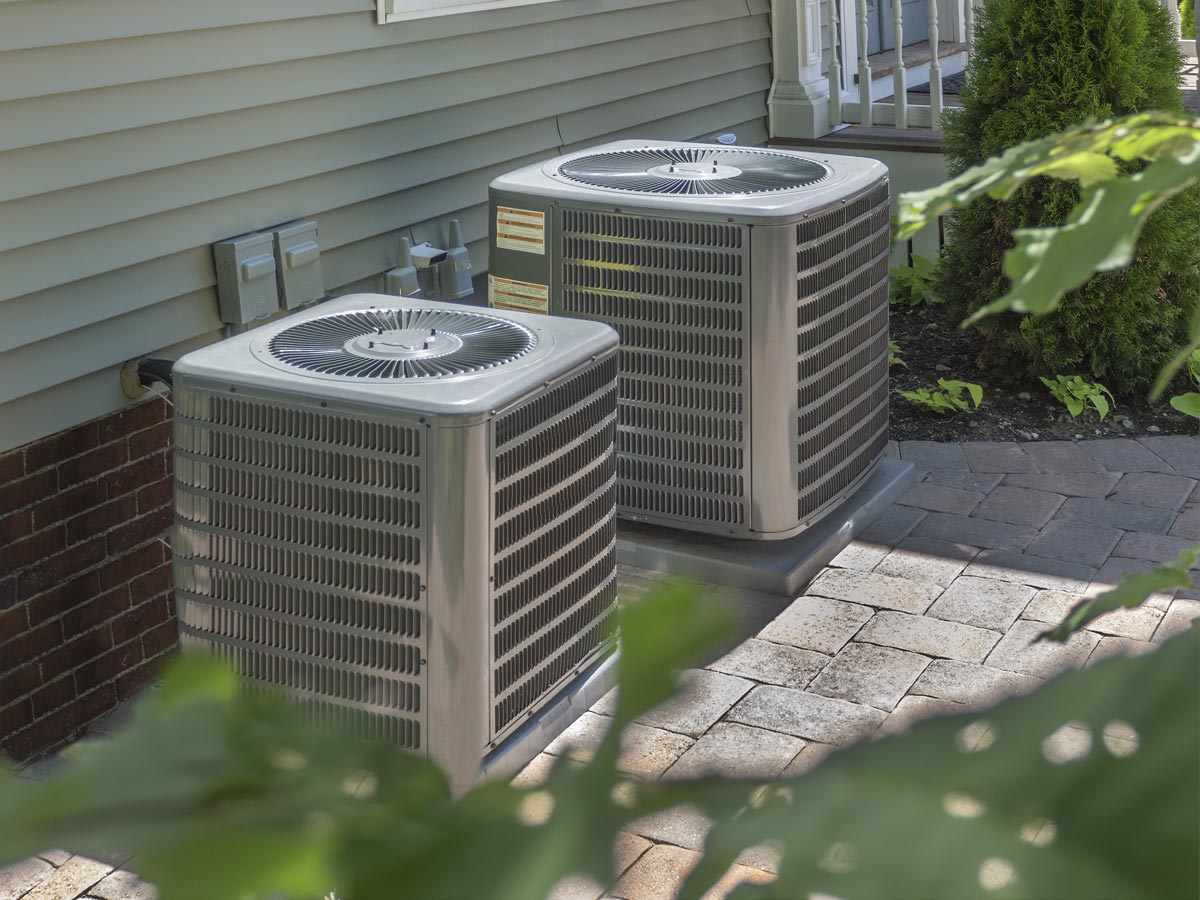
Did you know heat pumps can be up to 300% more energy efficient than traditional heating systems? You’re probably wondering, how can that be? The secret lies in the transfer of heat rather than its production. By understanding the mechanics of your heat pump and knowing how to maximize its efficiency, you can keep your home cozy all year round and greatly reduce your energy bills. But of course, there’s more to it than just that.
Understanding Heat Pump Basics
Before delving into the intricacies of heat pump efficiency, it is crucial to grasp how it operates. As an integral part of a heating and cooling system, a heat pump moves heat from one place to another. It doesn’t generate heat; it simply transfers it.
In the winter, your heat pump extracts heat from the outside air (even cold air contains heat energy) and pumps it inside your home. It works in reverse in the summer, removing heat from your home and expelling it outdoors. This process makes it versatile and efficient for maintaining comfortable temperatures year-round.
Now, what powers this heat transfer process? That’s where electricity comes in. Your heat pump uses electrical power not to generate heat but to move it. This fundamental difference sets heat pumps apart from traditional furnaces and makes them a more energy-efficient option.
Understanding these basics is the first step toward maximizing your heat pump’s efficiency. Armed with this knowledge, you’re now ready to explore more advanced topics, like the science behind heat pumps and how to optimize their performance.
The Science Behind Heat Pumps
When studying the science behind heat pumps, it’s vital to understand that these devices operate based on the principles of thermodynamics and heat transfer. Fundamentally, heat pumps move heat from one place to another. They can draw warmth from seemingly cold outdoor air and transfer it inside your home. Conversely, in the summer, they extract heat from your home and move it outdoors, effectively cooling down your living space.
The magic of heat pumps lies in their refrigeration cycle, which involves a condenser, an expansion valve, and an evaporator. In the winter, a liquid refrigerant in the outdoor coil absorbs heat from the air and evaporates into a gas. This warm gas travels into the indoor coil, where it’s compressed to release its heat. In the summer, the process is reversed.
As you serve others in maximizing their home comfort, understanding this science can help you provide ideal solutions. By appreciating these principles, you’ll be better equipped to suggest the most efficient heat pumps, ensuring your clients enjoy a comfortable home environment while saving energy.
Benefits of Efficient Heat Pumps
Turning up the efficiency of your heat pump can offer a host of benefits, from enhanced comfort to significant energy savings. An efficient heat pump doesn’t just warm or cool your home faster; it does so with less energy. This means you’re not only saving money but also contributing to a healthier planet by reducing your carbon footprint.
One key benefit of an efficient heat pump is the consistent temperature it maintains in your home. You won’t have to contend with cold spots or overheating, ensuring a comfortable environment for your family or those you serve.
Moreover, efficient heat pumps often have advanced features like programmable thermostats or variable-speed motors. These add to your comfort and offer you more control over your energy use. You can set the temperature to your needs, ensuring you’re not wasting energy when no one’s home.
Lastly, efficient heat pumps tend to last longer. They’re designed to withstand intense usage, meaning you’ll spend less on maintenance and replacements. So, boosting your heat pump’s efficiency isn’t just about short-term gains; it’s a long-term investment in comfort and savings.
Factors Affecting Heat Pump Efficiency
Several factors can directly impact your heat pump’s efficiency, and understanding them can help you optimize its performance. First, regular maintenance is essential. Like your car, your heat pump requires consistent upkeep to operate effectively. Neglecting maintenance can reduce efficiency, increase energy costs, and diminish your comfort at home.
Secondly, the size of your heat pump matters. If it’s too small, it’ll struggle to heat your home adequately, leading to overworking and inefficiency. Conversely, a pump that is too large will cycle on and off more frequently, wasting energy.
Thirdly, proper installation is critical. A poorly installed heat pump can operate below its potential, decreasing efficiency and increasing running costs.
Lastly, the age of your heat pump affects its efficiency as well. As heat pumps grow older, they tend to lose their effectiveness.
Choosing the Right Heat Pump
When it comes to picking the right heat pump, it’s essential to evaluate various factors to guarantee peak performance and efficiency. To begin with, understand your specific heating and cooling needs. Does your geographical location have extreme winters or mild summers? Your heat pump should efficiently cater to these needs.
Secondly, assess the size. A unit that’s too large wastes energy and increases costs, while a small one won’t maintain a comfortable temperature. Your heat pump should be perfectly sized for your home.
Examining the pump’s Seasonal Energy Efficiency Ratio (SEER) and Heating Seasonal Performance Factor (HSPF) is also important. Higher SEER and HSPF ratings indicate more significant efficiency. However, don’t just choose the one with the highest ratings. Balance the initial cost with long-term energy savings.
Lastly, look into the unit’s features. Some pumps have variable-speed motors, two-stage compressors, or desuperheaters, which can improve comfort and efficiency.
Choosing the right heat pump isn’t a one-size-fits-all decision. It requires careful evaluation, research, and professional guidance. However, making the right choice can lead to years of comfortable living and significant energy savings.
Tips for Maximizing Heat Pump Efficiency
Once you’ve chosen the right heat pump, it’s equally important to know how to maximize its efficiency for ideal performance and energy savings. A few simple steps can markedly boost your heat pump’s efficiency.
Firstly, set your thermostat at a constant temperature. Avoid frequent adjustments, which can cause your heat pump to work harder, reducing efficiency. A programmable thermostat can help you maintain a steady temperature, automatically adjusting for different times of the day or night.
Secondly, energy-efficient doors and windows should be used to minimize heat loss. If you’re losing heat through poorly insulated windows or doors, your heat pump works harder than necessary to maintain a comfortable temperature.
Lastly, consider your home’s insulation. Proper insulation keeps the heat in during winter and your home cool during summer, reducing the load on your heat pump. This not only makes your home more comfortable, but also increases the lifespan of your heat pump.
Regular Maintenance for Optimal Performance
To guarantee ideal performance from your heat pump, it’s crucial to maintain and service the unit regularly. This guarantees you’re getting the most efficient operation while prolonging the lifespan of your system. Don’t overlook the importance of routine maintenance—it keeps your heat pump working properly and optimizes your home’s comfort levels.
Your first step should be checking and changing filters frequently. Dirty filters restrict airflow, forcing your heat pump to work harder and use more energy. Make it a habit to check your filters monthly and replace them at least every three months.
Next, it’s important to keep the outdoor unit clear of debris. Leaves, grass, and other obstructions can reduce your heat pump’s efficiency and cause damage. Regularly inspect and clean the area around your heat pump.
Lastly, schedule professional maintenance at least once a year. A trained technician will check for potential problems, clean and lubricate parts, and confirm that your heat pump is running at its best. Regular maintenance helps you avoid costly repairs and guarantees you’re maximizing your heat pump’s efficiency. Remember, it’s not just about maintaining a machine—it’s about maintaining your home’s comfort.
Common Heat Pump Problems
Despite diligent maintenance, you might encounter common problems with your heat pump that can affect efficiency. One of the most prevalent issues is reduced airflow, often due to a dirty or clogged filter. It’s crucial to clean or change your filter regularly to avoid this issue.
Another common problem is the heat pump needing to turn on. This could be due to a tripped breaker or a malfunctioning thermostat. Check your electrical panel to verify the breaker hasn’t tripped. If it’s the thermostat, you may need to recalibrate or replace it.
You might also notice your heat pump running constantly. This could indicate a problem with your unit’s refrigerant level or thermostat settings. Insufficient refrigerant can cause the pump to work overtime to heat your home, reducing efficiency. Check the refrigerant level and refill if necessary.
Lastly, if you hear strange noises from your heat pump, it may signal a mechanical problem. Grinding, squealing, or banging noises aren’t normal and should be checked by a professional immediately. By understanding these common issues, you’re better equipped to maintain your heat pump’s efficiency and maximize home comfort.
Sustainable Heating With Heat Pumps
Harnessing the earth’s renewable energy, heat pumps provide an environmentally friendly and sustainable solution for heating your home. Here’s how they do it:
- Extracting heat from the ground or air reduces the need to burn fossil fuels, decreasing your carbon footprint.
- Heat pumps operate at lower temperatures than standard heating systems, making them more energy-efficient and cost-effective in the long run.
- They’re not just for heating. In summer, they can reverse their operation to cool your home, offering you a year-round solution for comfort.
You’re not just making a smart choice for your comfort and wallet; you’re also serving a greater purpose. You’re contributing to the fight against climate change and helping to preserve our planet for future generations.
Remember, the journey to a more sustainable world begins at home. You’re taking a significant step towards that goal by choosing heat pumps.
Next, we’ll explore the future prospects of heat pump efficiency. Not only will this technology continue to improve, but it’s bound to become a standard in sustainable home heating. You’re on the right path, so let’s keep moving forward.
Heat Pump Efficiency: Future Prospects
As you venture into the future of heat pump technology, efficiency levels are anticipated to continue rising, revolutionizing our approach to sustainable home heating even further. The industry’s commitment to innovation guarantees you’ll have access to more effective, energy-saving solutions.
Experts are predicting significant advancements in heat pump design, focusing on minimizing energy loss and improving overall system performance. You can expect enhanced compressor technology, improved refrigerants, and more intelligent, adaptive controls that optimize operation based on external conditions. This means you’ll be able to offer your clients even more efficient, environmentally-friendly heating options.
Further, integrating renewable energy sources, such as solar power, with heat pumps is set to become a game changer. You’ll be at the forefront of the energy transformation, helping your clients save money while reducing their carbon footprint.
Moving forward, you must stay informed about these developments. By doing so, you’ll not only serve your clients better but also contribute to a more sustainable future. Remember, your role in promoting heat pump efficiency is beneficial for your clients and critical in our collective efforts toward energy conservation.
Conclusion
So, you’re the captain of your home comfort, steering your heat pump’s efficiency. Like a well-oiled ship, it needs regular maintenance and keen selection. The right size, correct installation, and proper upkeep keep your ship sailing smoothly. By harnessing the winds of renewable energy, you’ll steer towards a future of reduced costs and increased comfort. Remember, your actions today chart your course and help craft a sustainable tomorrow.